
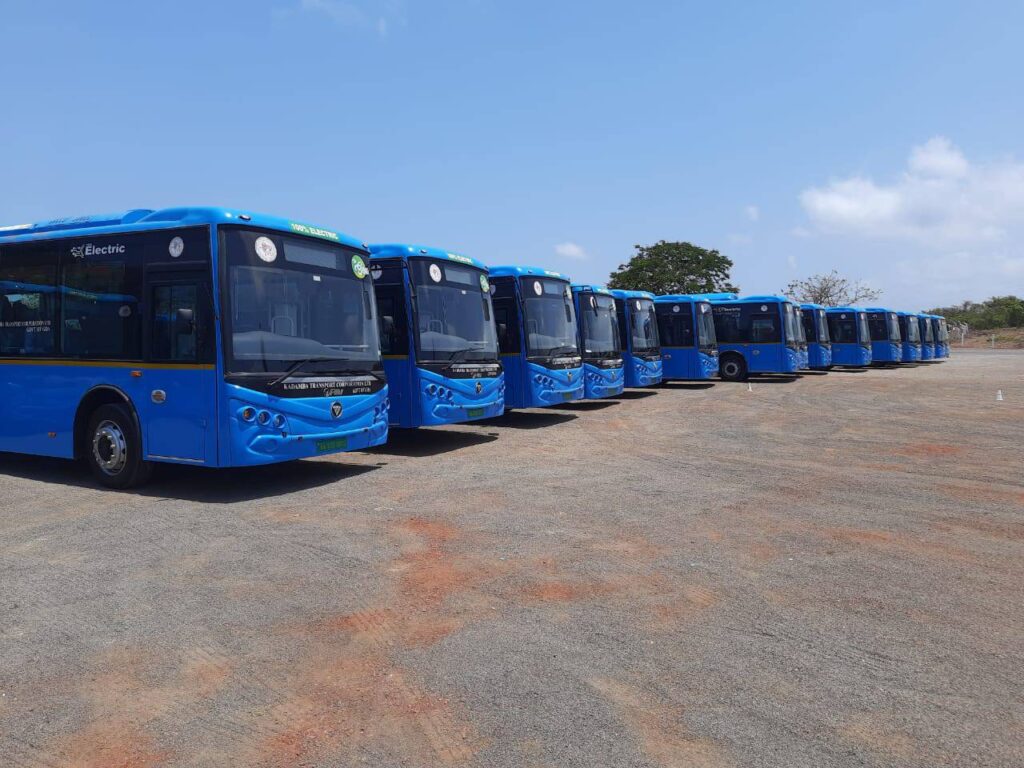
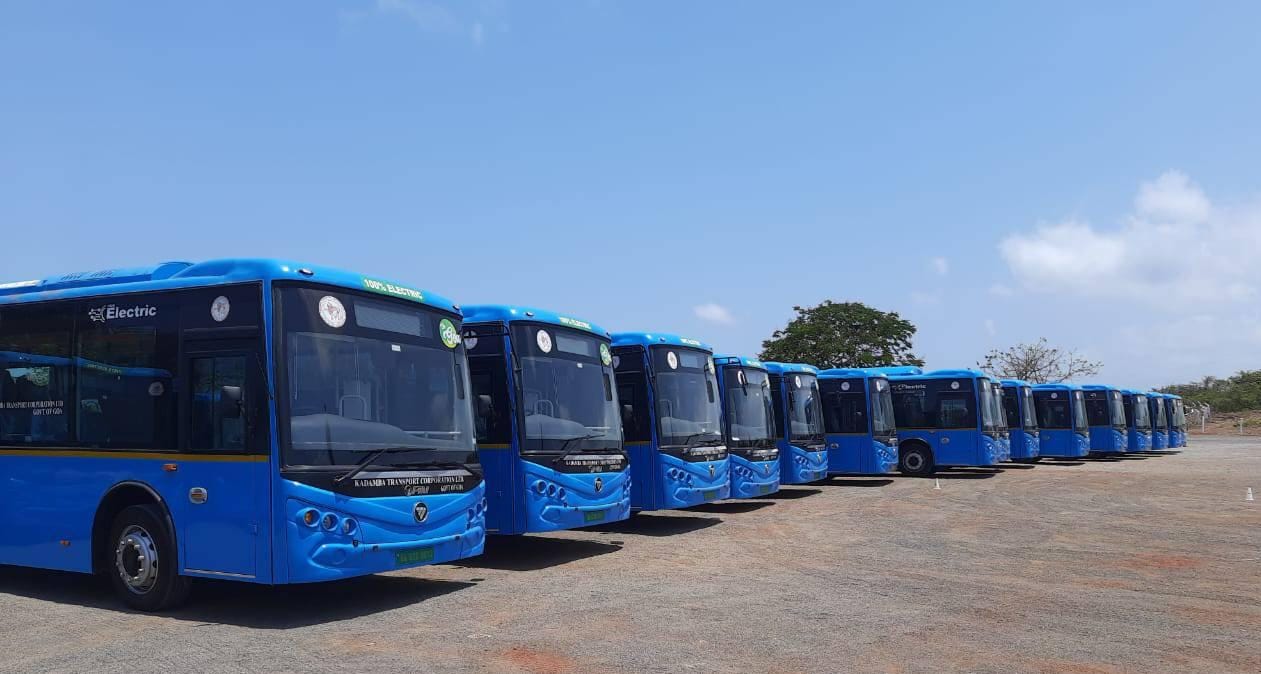
Goa is taking significant strides towards a greener future with the introduction of electric buses (e-buses) in Panjim. This initiative is part of the state’s broader Smart City project, aiming to enhance urban mobility while reducing pollution. The introduction of electric buses marks a crucial step in transforming public transportation in the state, aligning with global efforts to combat climate change.
Aims and Objectives of the Electric Bus Initiative.
The primary objectives behind the deployment of electric buses in Panjim include:
Reducing Pollution: The shift from diesel to electric buses is aimed at significantly lowering carbon emissions, contributing to improved air quality. This transition is vital for a state like Goa, which relies heavily on tourism and natural beauty.
Enhancing Public Transport: By providing a reliable and efficient mode of transportation, the initiative seeks to encourage more people to use public transport instead of private vehicles. This shift can help alleviate traffic congestion and reduce the overall carbon footprint.
Smart City Development: Integrating electric buses aligns with the Smart City initiative’s goals, which include modernizing urban infrastructure and improving connectivity within Panjim. The focus on smart transportation solutions is essential for creating a sustainable urban environment.
Current Fleet and Future Additions.
As of now, **48 electric buses** are operational in Panjim. This fleet includes six air-conditioned e-buses launched recently, equipped with smart ticketing systems that streamline the travel experience for passengers. These buses operate on various routes connecting key areas within the city, including popular destinations and residential neighborhoods.
In addition to the current fleet, plans are underway to introduce **an additional 46 electric buses** in the coming months, further enhancing the public transport network. This expansion will ensure that more residents have access to clean and efficient transportation options.
Expansion Plans Beyond Panjim.
The government has ambitious plans to expand the electric bus network beyond Panjim. Cities such as **Margao**, **Mapusa**, and **Canacona** are likely candidates for receiving electric buses in the near future. The Kadamba Transport Corporation (KTCL) aims to deploy a total of **100 electric buses** across Goa, which will replace aging diesel fleets currently operating in these areas.
This expansion is not just about increasing numbers; it’s about providing comprehensive coverage that meets the needs of residents throughout the state. By connecting urban centers with surrounding villages and towns, the initiative promotes inclusivity in public transport.
Infrastructure Development.
To support this expansion, significant investments are being made in charging infrastructure across the state. The government plans to establish multiple EV charging stations strategically located throughout Goa, ensuring that the new fleet can operate efficiently without downtime for charging. This infrastructure will be crucial for facilitating the seamless operation of electric buses in both urban and rural areas.
Addressing Concerns from Private Operators.
While the introduction of electric buses is seen as a positive development for environmental sustainability, it has raised concerns among private bus operators about potential job losses. The government has assured that existing private bus services will continue alongside the new electric fleet, allowing passengers to choose between options. This approach aims to mitigate resistance from private operators while promoting a gradual transition towards sustainable transportation.
Conclusion.
The introduction and expansion of electric buses in Goa represent a significant leap towards sustainable public transport. With a clear focus on reducing pollution and enhancing urban mobility, this initiative aligns with global trends toward eco-friendly transportation solutions. As more cities prepare to adopt electric buses, Goa is poised to set an example for other regions looking to embrace green technology in public transport systems.
The future of transportation in Goa looks promising as it moves towards a cleaner and more efficient model that benefits both residents and the environment. With continued commitment from government authorities and support from local communities, Goa can lead by example in creating a sustainable transport network that prioritizes ecological health and public convenience.

Hey, seen phfum mentioned around, checked it out. Seems legit for what it is. Easy to navigate. Dive in and see at phfum.
Medusagamevn? Alright, the theme is definitely on point if you’re into that kind of mythology stuff. Pretty engaging gameplay, and the visuals are nice. worth taking a look: medusagamevn
Okay, x777game… Gotta say, the graphics are pretty slick! Gameplay’s engaging too. Definitely worth checking out if you’re into this sort of thing. Find it here: x777game
Alright, mate! Looking for the freshest 188bet link? Check it out here: link188betmoinhat. Game on!
Fancy a flutter? Heard good things about jljl333casino. Seems like a decent spot for a punt. Have a look here: jljl333casino. Good luck!
Oi, keen on joining FB88? 88bettop1.com is where it’s at for registration, apparently. Get yourself signed up here: đăng ký fb88 88bettop1.com. Give it a go!
Yo, found some luck at okvip78win. Good selection of games and a clean interface. Worth checking out if you’re looking for something new okvip78win.
Yo, peraplaycasino has some hot games right now. Jump in and see if you can’t win some serious pera. I’ve had some good runs peraplaycasino.
pgvipapp lets you game on the go. Convenient and easy to use. Perfect for when you’re bored on the train. Download it pgvipapp.
Yo, 6x6betgame is where it’s at. Been hittin’ some nice wins lately. Give 6x6betgame a shot, might get lucky!
BRBetCasinoOnline is pretty decent. The online version works well on my phone, so I can play anywhere. Give brbetcasinoonline a try!
Alright, tried ZK688 and it’s not bad. Got some interesting slots. If you’re curious, check it out at zk688. Could be your new lucky spot!
bono777’s where it’s at for my online gaming fix! The bonuses are legit, and they keep the games fresh. Plus, the site’s easy to navigate. Def recommend giving it a spin at bono777
Downloaded the dctcasinoapp and honestly, it’s my new go-to. Runs smooth on my phone and the selection’s HUGE. If you like mobile casinos, this is the one. Get the app at dctcasinoapp
dito777 is a solid choice! I’ve had some good luck there and the community seems chill. Lots of options to keep you entertained. See what the hype is about at dito777